UNDERSTANDING
Pigmentation + Uneven Skin Tone
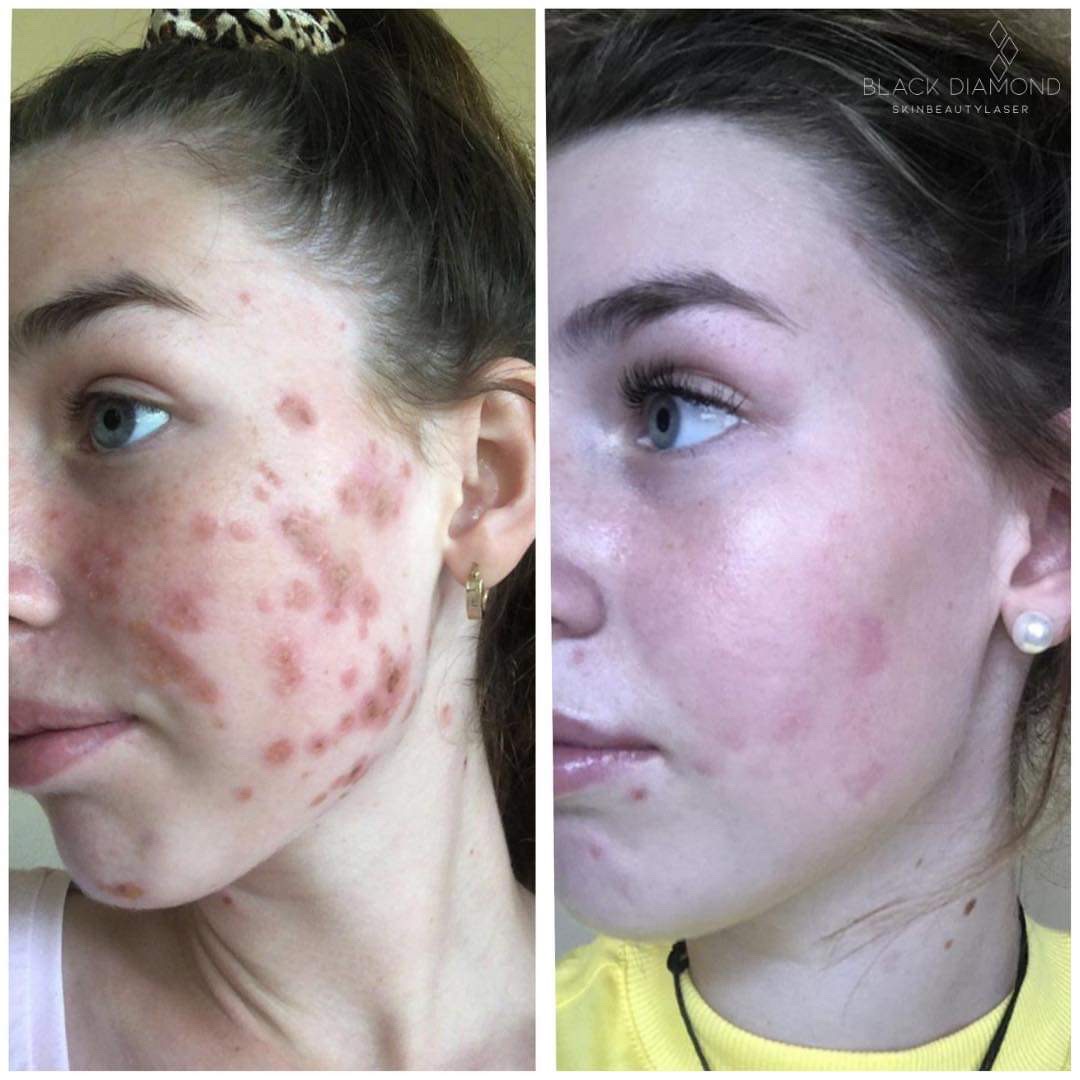
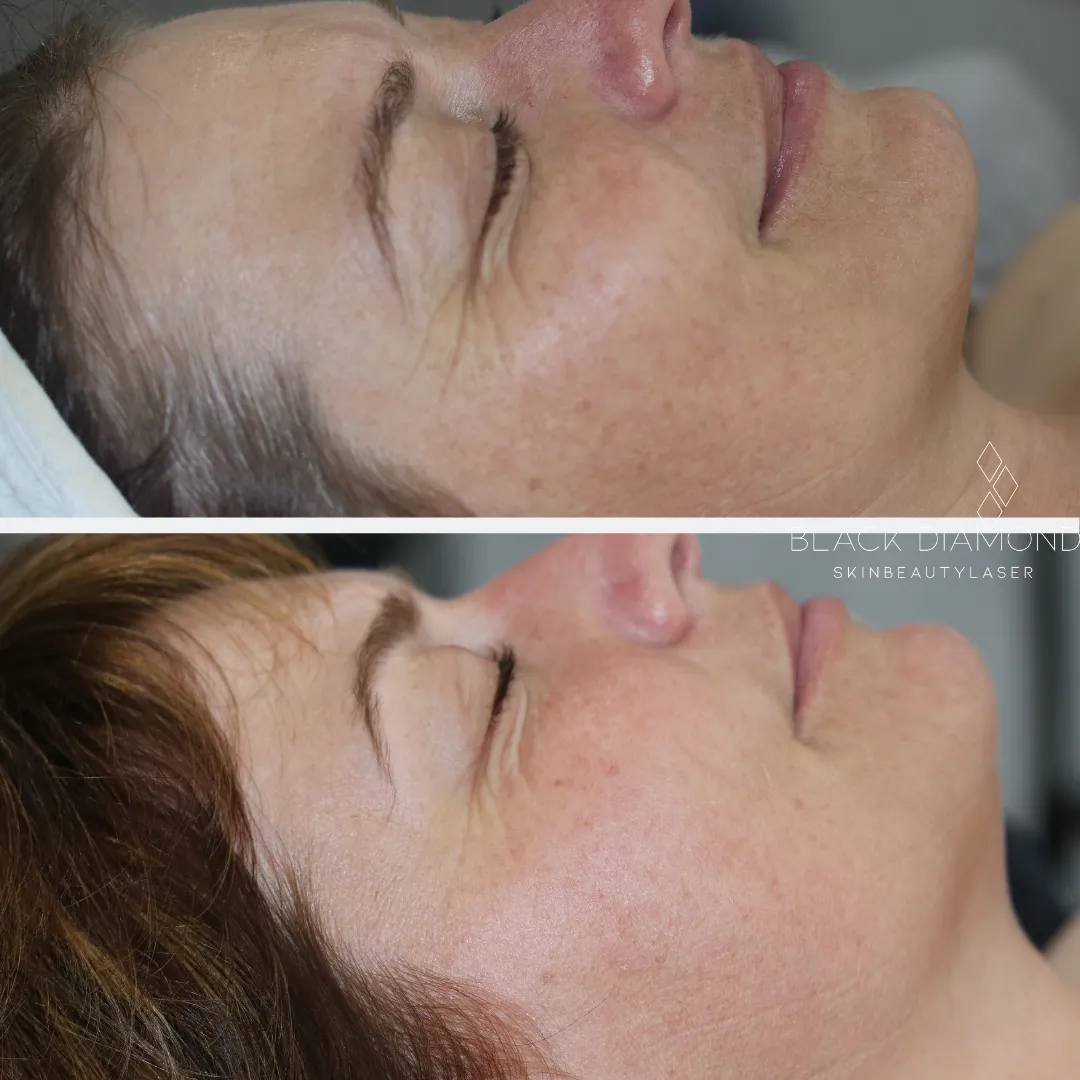
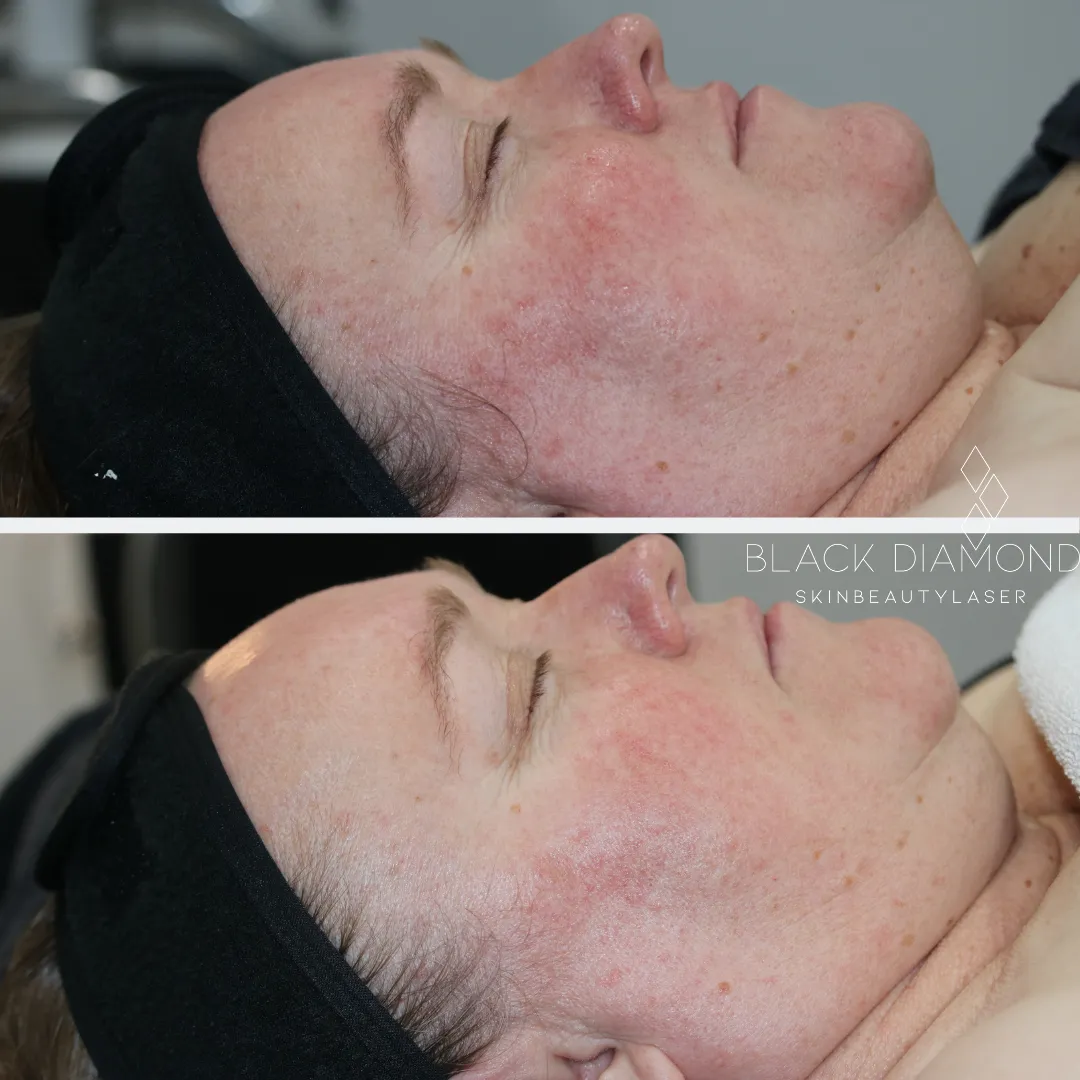
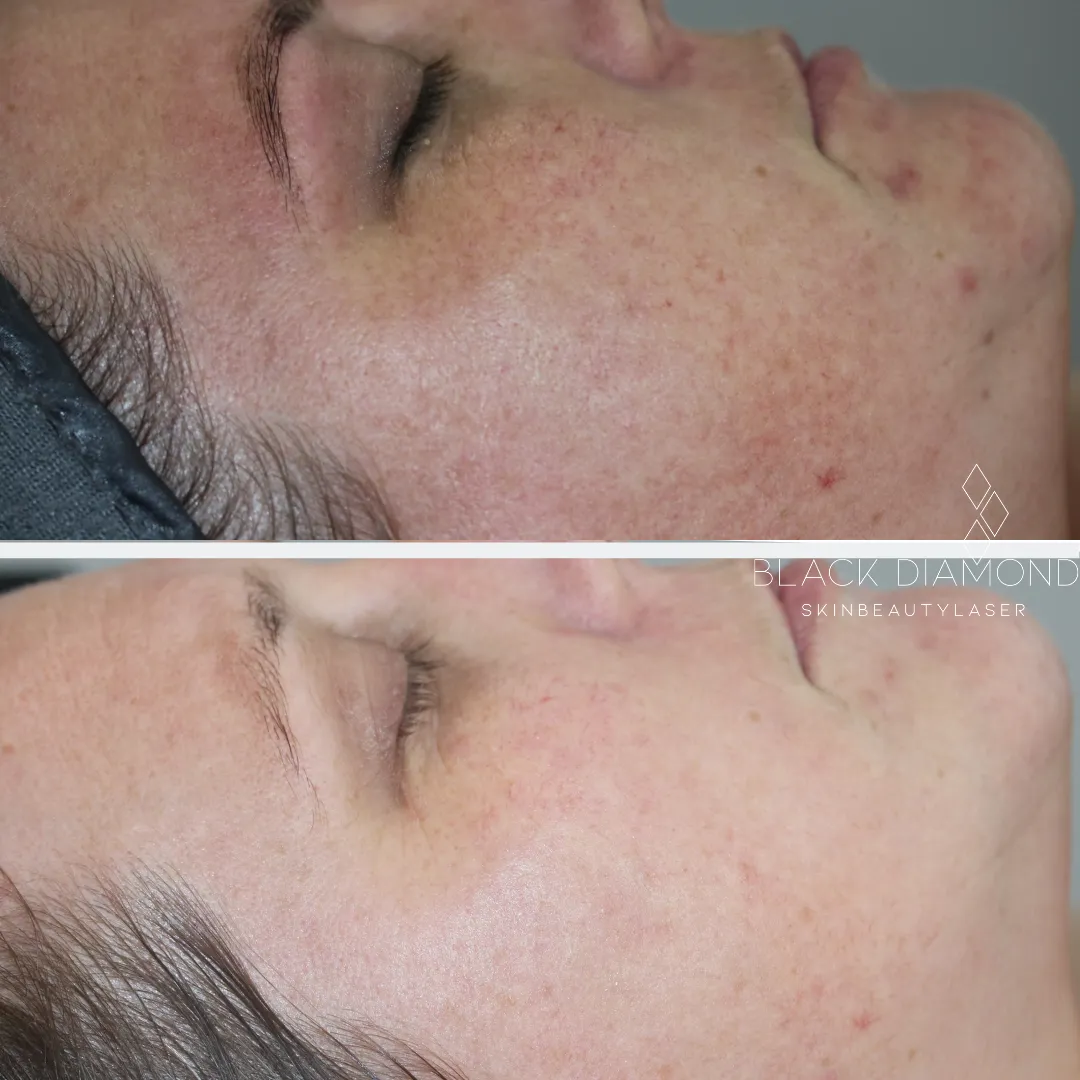
Pigmentation refers to dark spots, uneven skin tone and discolouration caused by excess melanin production in the skin. Common forms of hyperpigmentation include sun spots, age spots, post-inflammatory hyperpigmentation (PIH) from acne, and melasma, with UV exposure being one of the leading triggers. When melanocytes become overstimulated, they produce excess pigment, resulting in visible patches of skin darkening.
Factors such as sun damage, hormonal changes, inflammation, acne, and skin trauma can all contribute to pigmentation concerns. Without proper treatment and daily broad-spectrum SPF protection, pigmentation can deepen over time, becoming more resistant to correction. Effective pigmentation management requires a targeted approach that addresses melanin production, inflammation and long-term skin barrier health.
Types of pigmentation
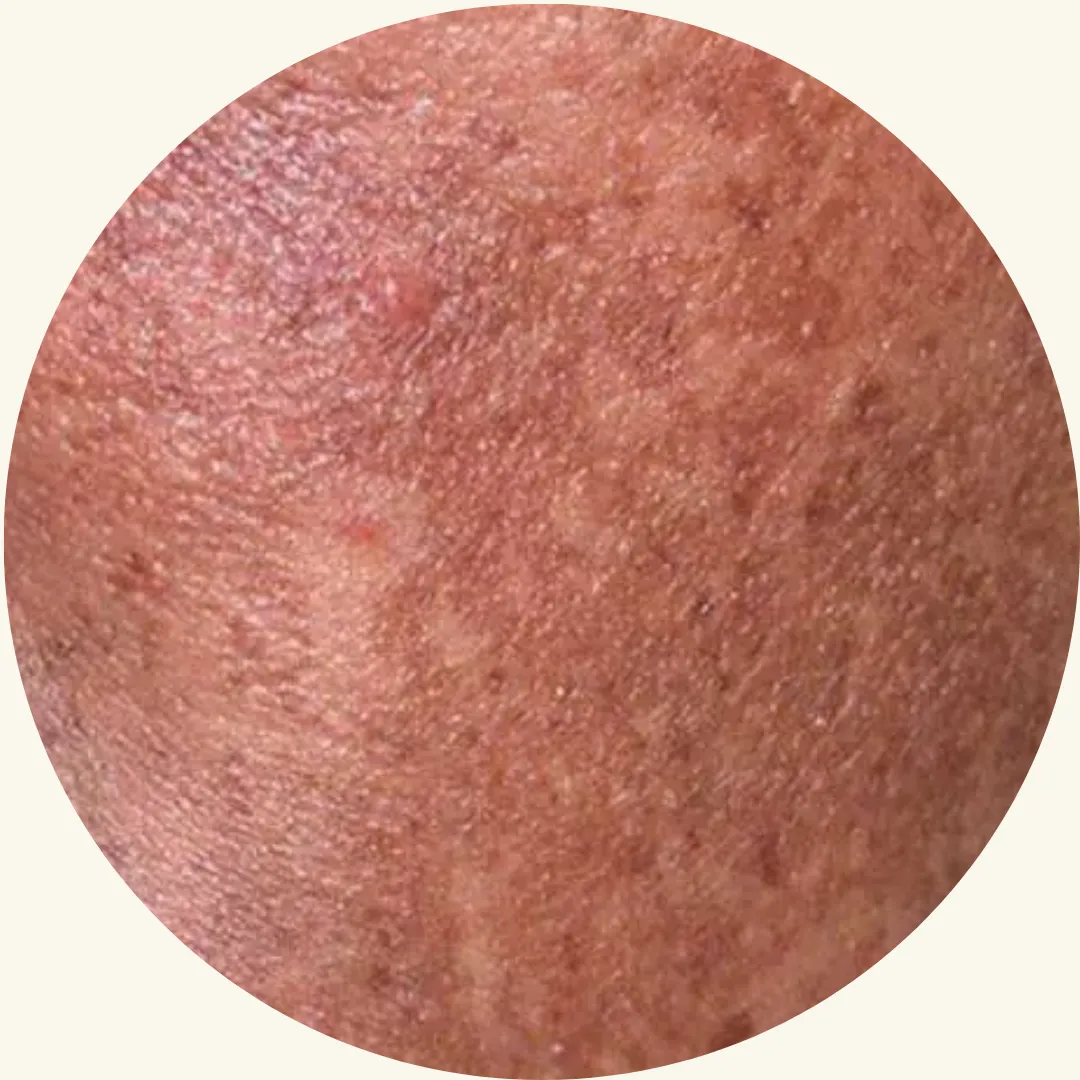
Hyperpigmentation
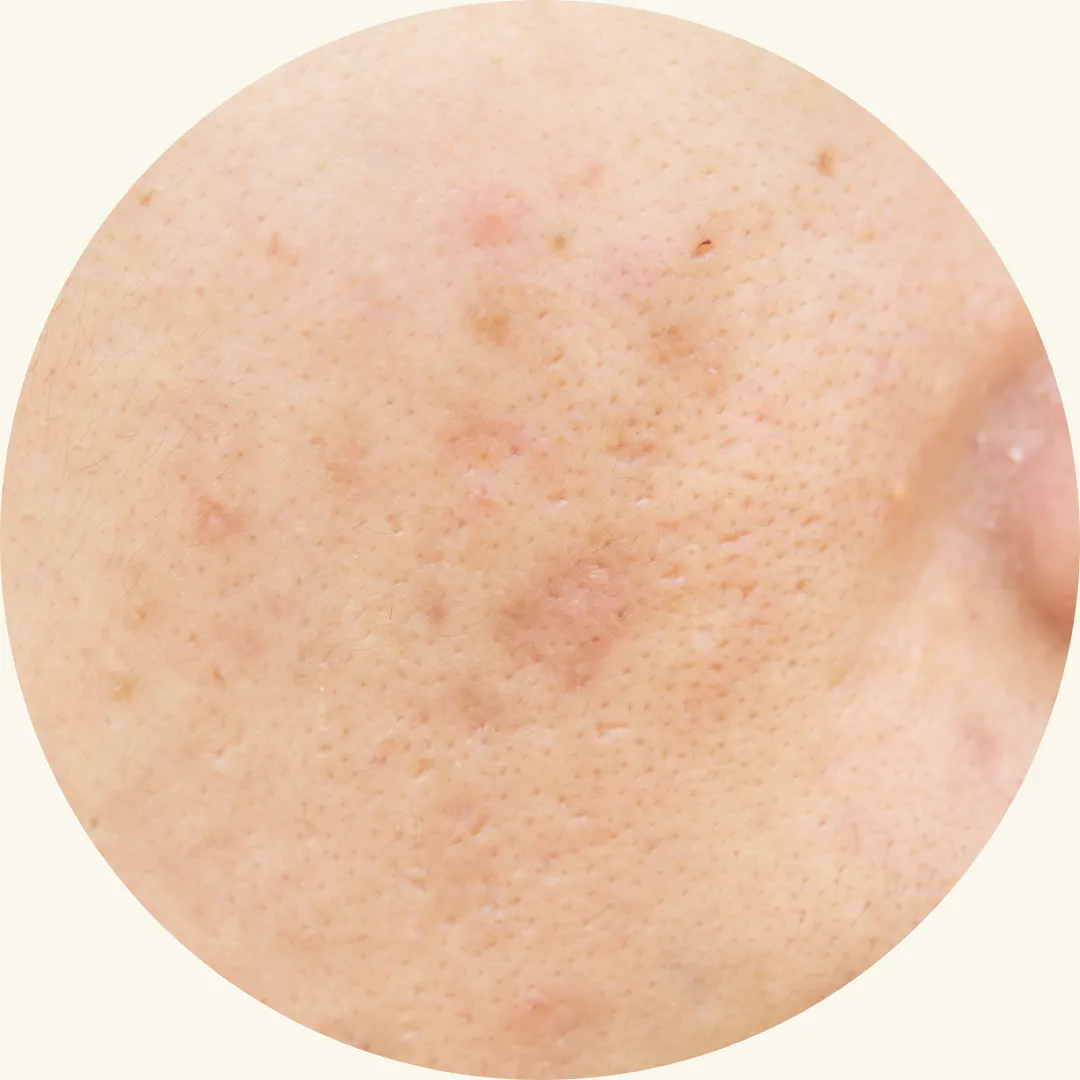
Sun Spots
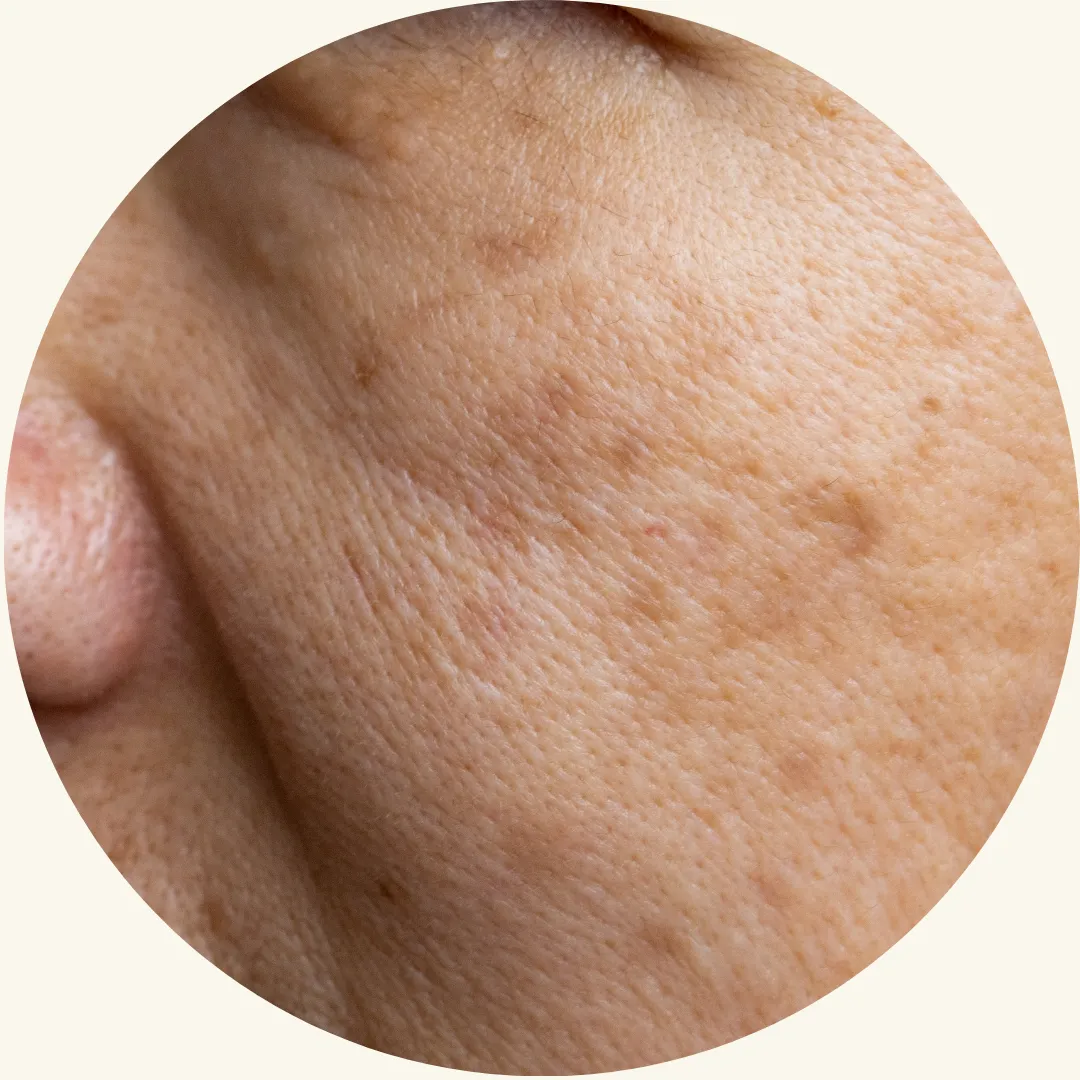
Melasma
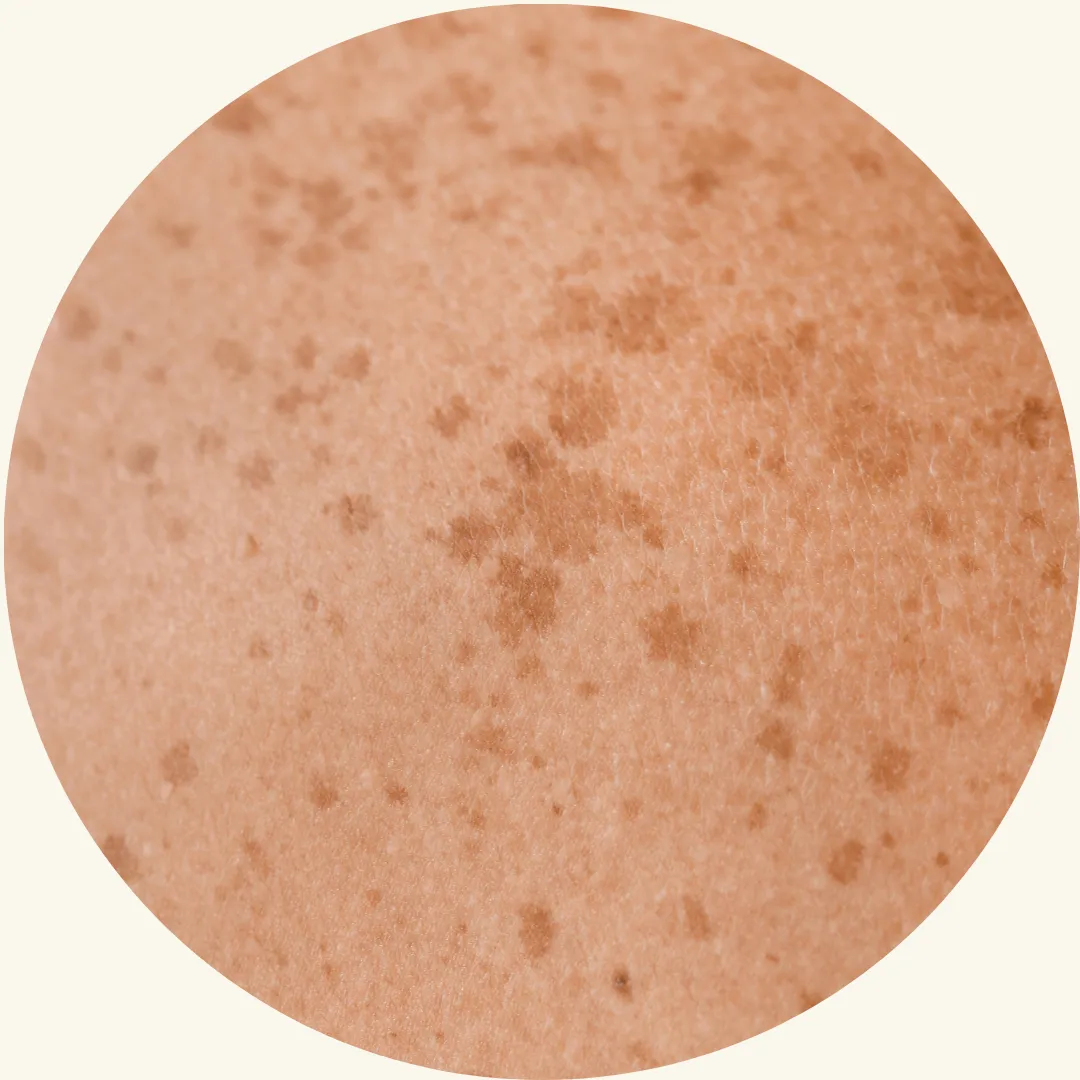
Freckles
Treatment
Pigmentation refers to dark spots, uneven skin tone and discolouration caused by excess melanin production in the skin. Common forms of hyperpigmentation include sun spots, age spots, post-inflammatory hyperpigmentation (PIH) from acne, and melasma, with UV exposure being one of the leading triggers. When melanocytes become overstimulated, they produce excess pigment, resulting in visible patches of skin darkening.
Factors such as sun damage, hormonal changes, inflammation, acne, and skin trauma can all contribute to pigmentation concerns. Without proper treatment and daily broad-spectrum SPF protection, pigmentation can deepen over time, becoming more resistant to correction. Effective pigmentation management requires a targeted approach that addresses melanin production, inflammation and long-term skin barrier health.
SKIN BACKED BY SCIENCE, NOT JUST WHAT’S TRENDING
Real Skin. Real Results.