What You Need to Know
Understanding Acne
Acne is one of the most common skin conditions in the world, and yet it remains one of the most misunderstood. Whether you're experiencing the occasional breakout or dealing with persistent, painful blemishes, acne can affect far more than just your skin. It impacts confidence, daily comfort, and overall wellbeing.
The good news? With the right knowledge and treatment approach, acne is highly manageable. Understanding what's happening beneath the surface is the first step toward clearer, healthier skin.
What You Need to Know
Understanding Acne
Acne is one of the most common skin conditions in the world, and yet it remains one of the most misunderstood. Whether you're experiencing the occasional breakout or dealing with persistent, painful blemishes, acne can affect far more than just your skin. It impacts confidence, daily comfort, and overall wellbeing.
The good news? With the right knowledge and treatment approach, acne is highly manageable. Understanding what's happening beneath the surface is the first step toward clearer, healthier skin.
Common Acne Types
Not all acne is the same. Identifying which type you're dealing with is essential to choosing the most effective treatment pathway.
Acne exists on a spectrum, from mild surface-level blemishes to deeper, more inflamed lesions that require professional care.
If you're unsure which type of acne you have, a trained skin professional can assess your
skin and recommend an appropriate treatment plan tailored to you.
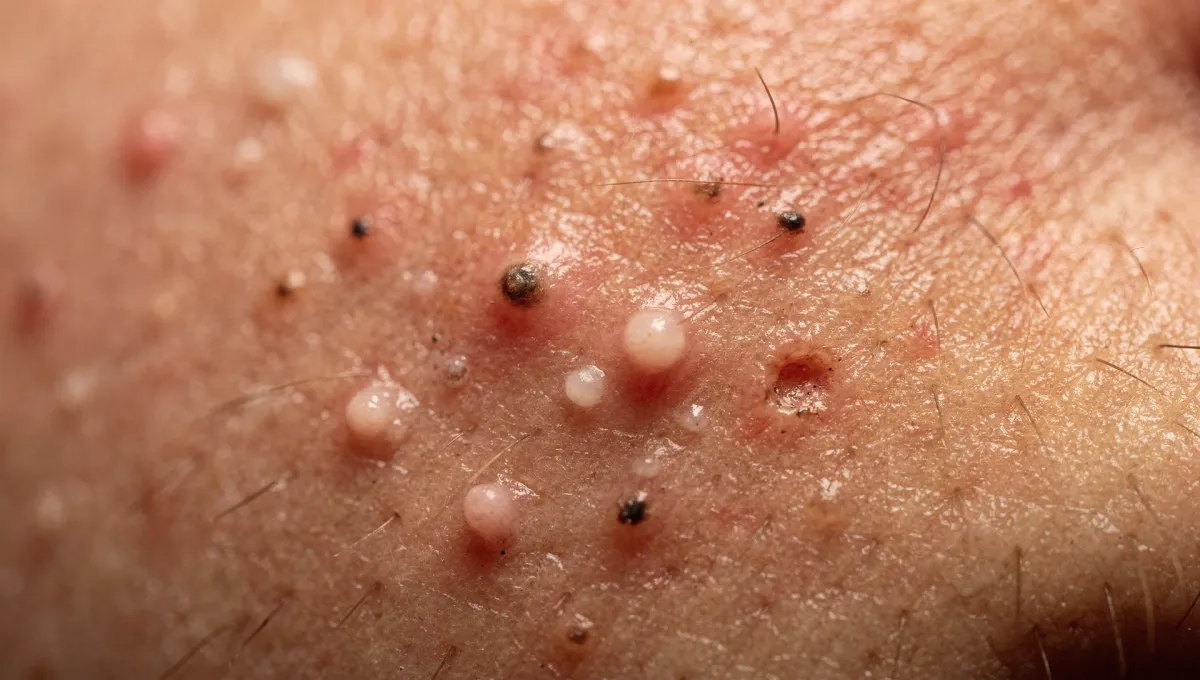
Comedonal
Non-inflammatory acne that includes:
• Blackheads
• Whiteheads
This type is driven by congestion, excess oil production and blocked pores.
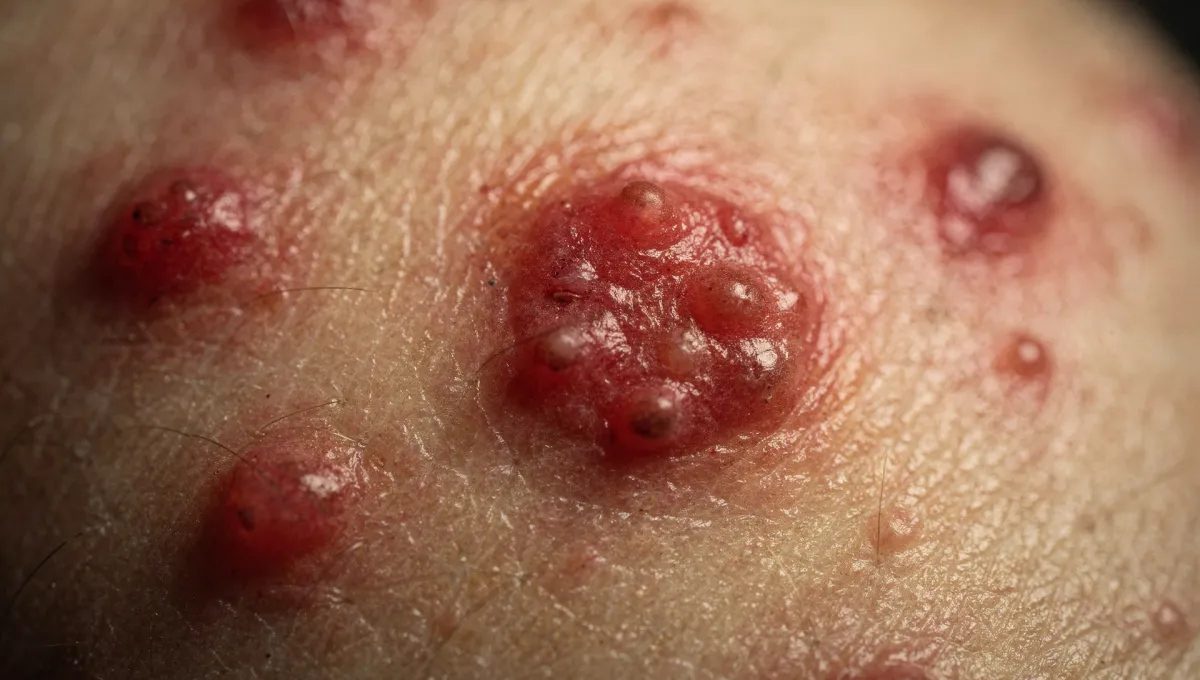
Papules & Pustules
Papules are small, raised, red bumps caused by inflammation. Pustules are similar but filled with pus at the tip. These are moderate forms of acne that can be tender to touch and may benefit from targeted treatment.
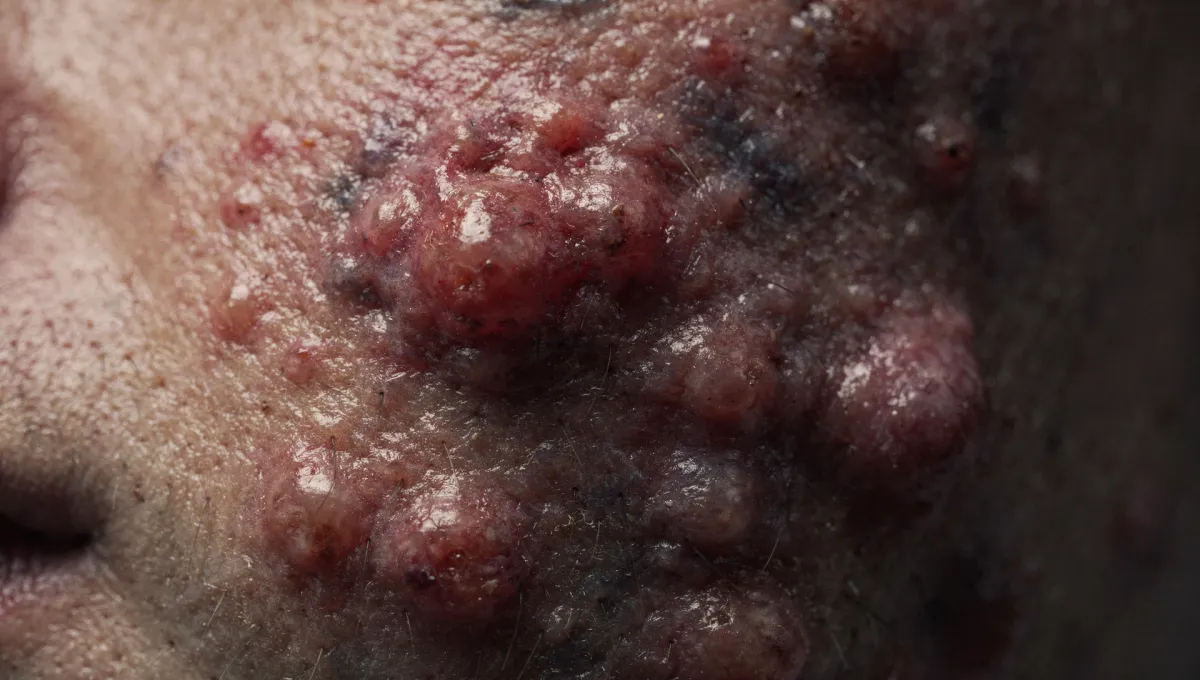
Nodular & Cysts
The most severe form of acne, nodules and cysts develop deep within the skin. They are painful, slow to heal, and carry a higher risk of scarring. Professional medical treatment is strongly recommended for these types.
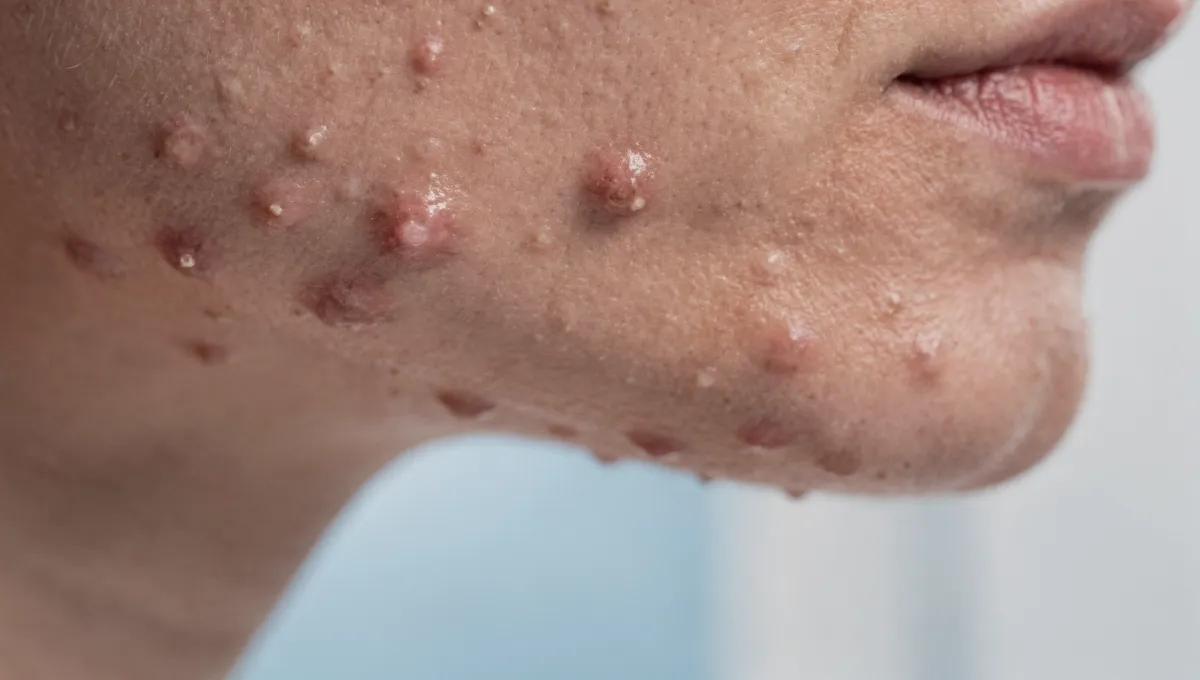
Hormonal
Hormonal acne is driven by fluctuations in hormones such as oestrogen, progesterone, and androgens. It typically appears along the jawline, chin, and lower cheeks as deep, tender cysts or papules. Common during menstrual cycles, pregnancy, and perimenopause, it often requires a hormonal treatment approach.
Common Acne Triggers
Acne doesn't have a single cause, it's the result of several factors working together beneath the surface of your skin. Understanding your personal triggers is a powerful tool in managing and preventing future breakouts.
Hormonal Fluctuations
Hormones can cause your skin to produce too much oil, which blocks pores and leads to spots. This is why breakouts are so common during puberty, periods, pregnancy, and other times when hormones shift.
Diet & Lifestyle
Sugary foods, white bread, dairy, and heavily processed snacks can make acne worse for some people. Not getting enough sleep, smoking, and drinking too much alcohol can also take a toll on your skin.
Stress
When you're stressed, your body releases hormones that cause your skin to produce more oil and become more inflamed. Long-term stress is one of the most common — and most overlooked — reasons adults keep breaking out.
Skincare & Makeup
Using products that are too heavy or not right for your skin type can block pores and cause spots. Look for products labelled 'non-comedogenic' — this means they won't clog your pores.
These triggers often work together — for example, stress can make a bad diet affect your skin even more. Finding out which combination affects you is the key to getting clearer skin in the long run.
Our Treatment Approach
Effective acne treatment is never one-size-fits-all. Our approach combines evidence-based medicine with personalised care because your skin is unique, and your treatment plan should be too. From first consultation through to long-term management, we're with you every step of the way.
SKIN BACKED BY SCIENCE, NOT JUST WHAT’S TRENDING
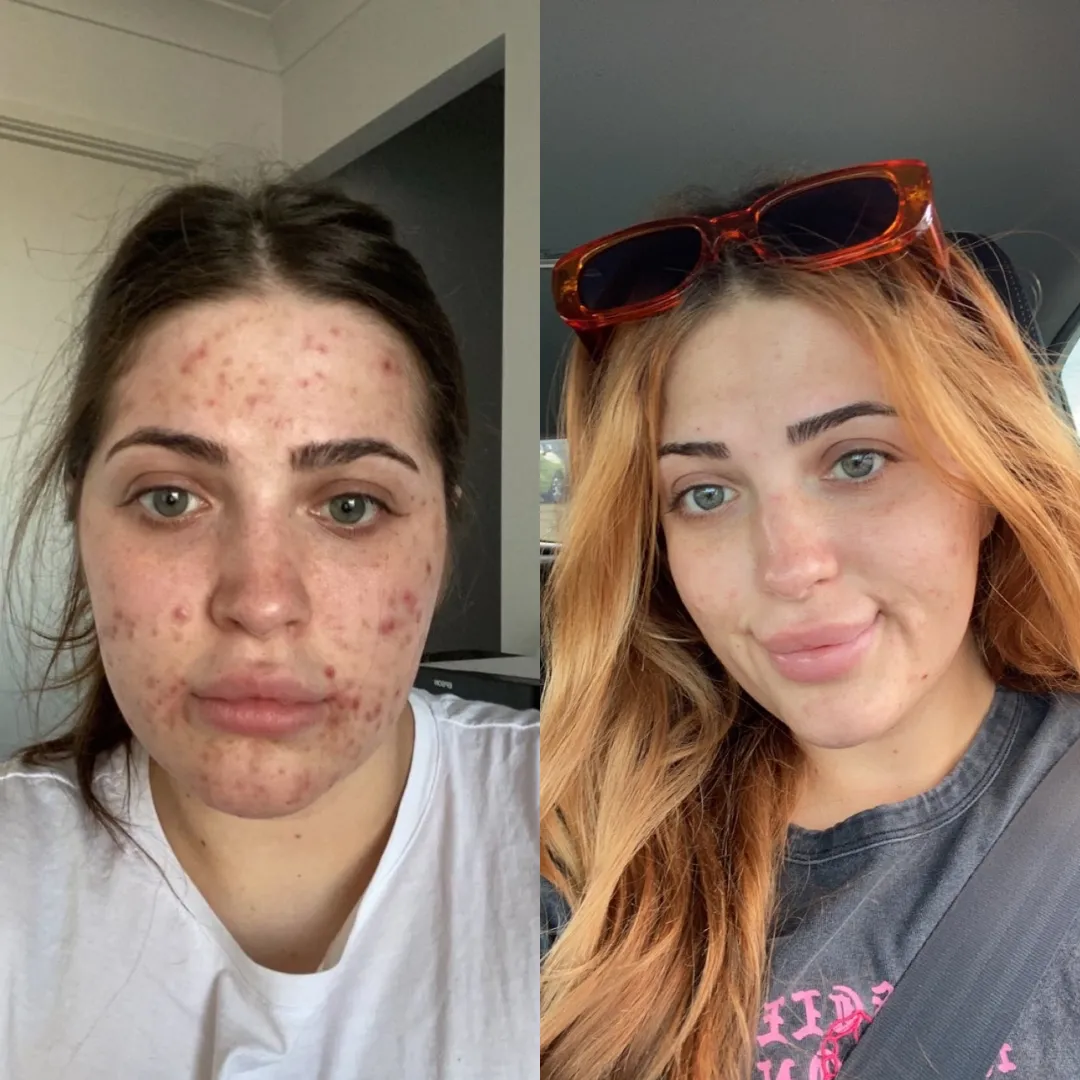
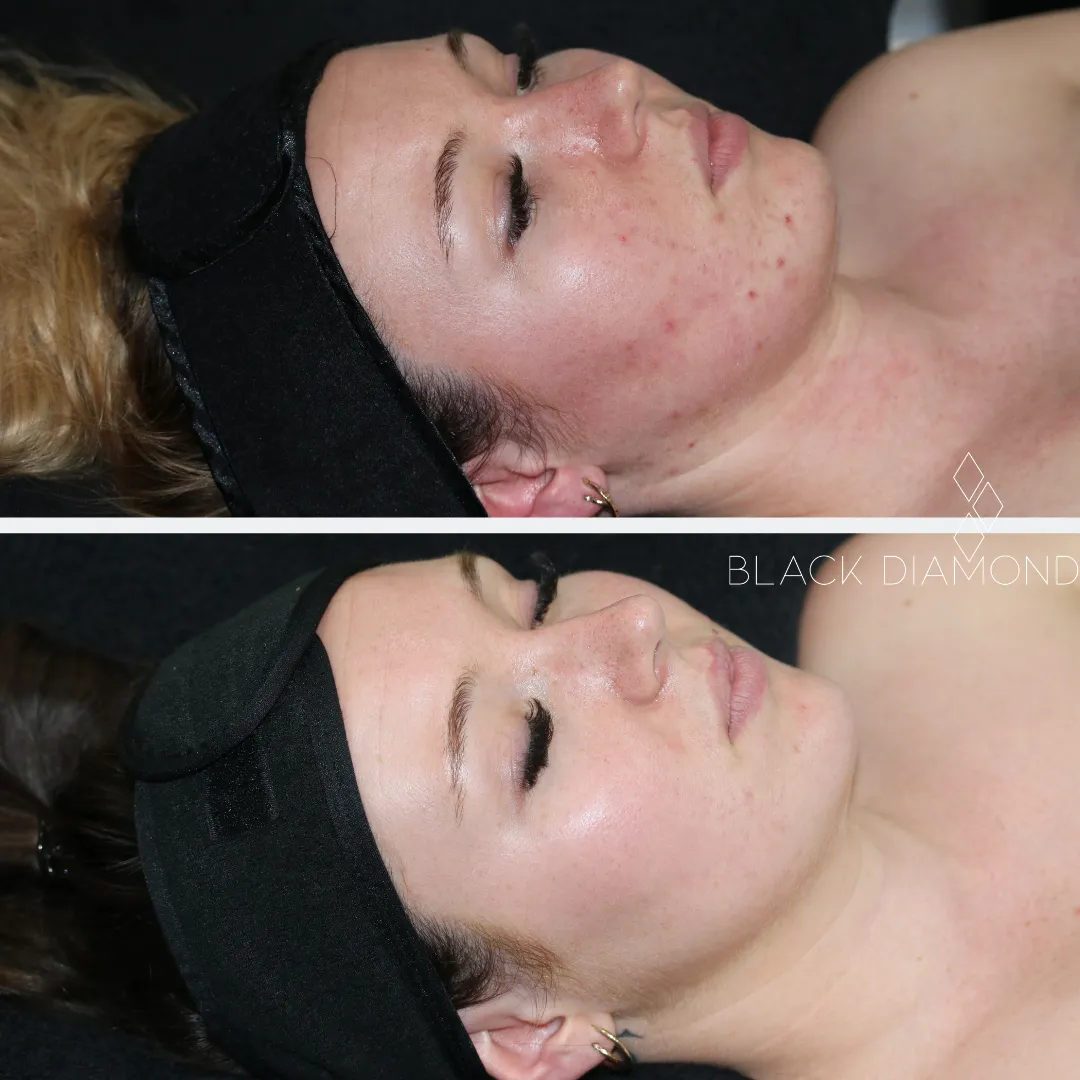
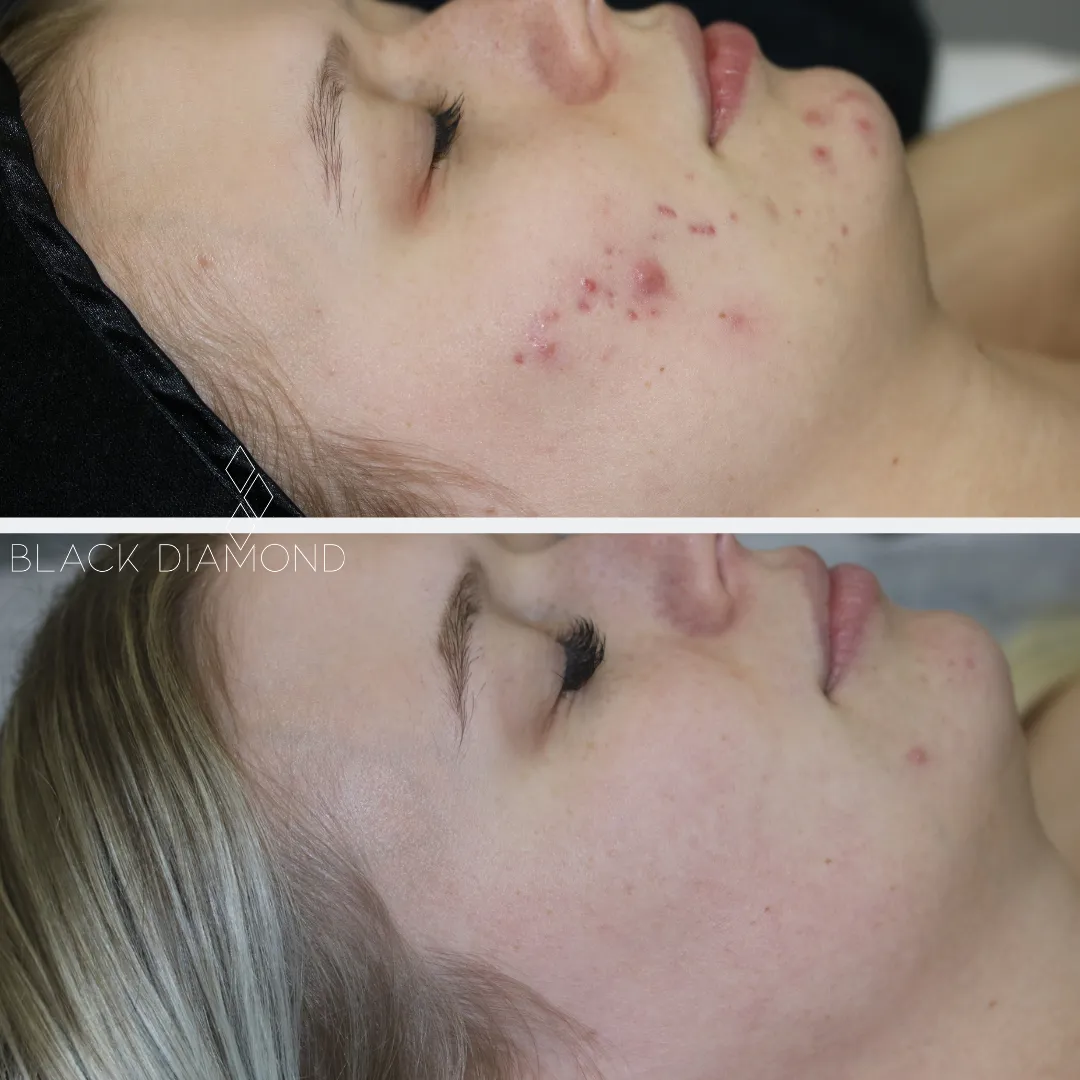
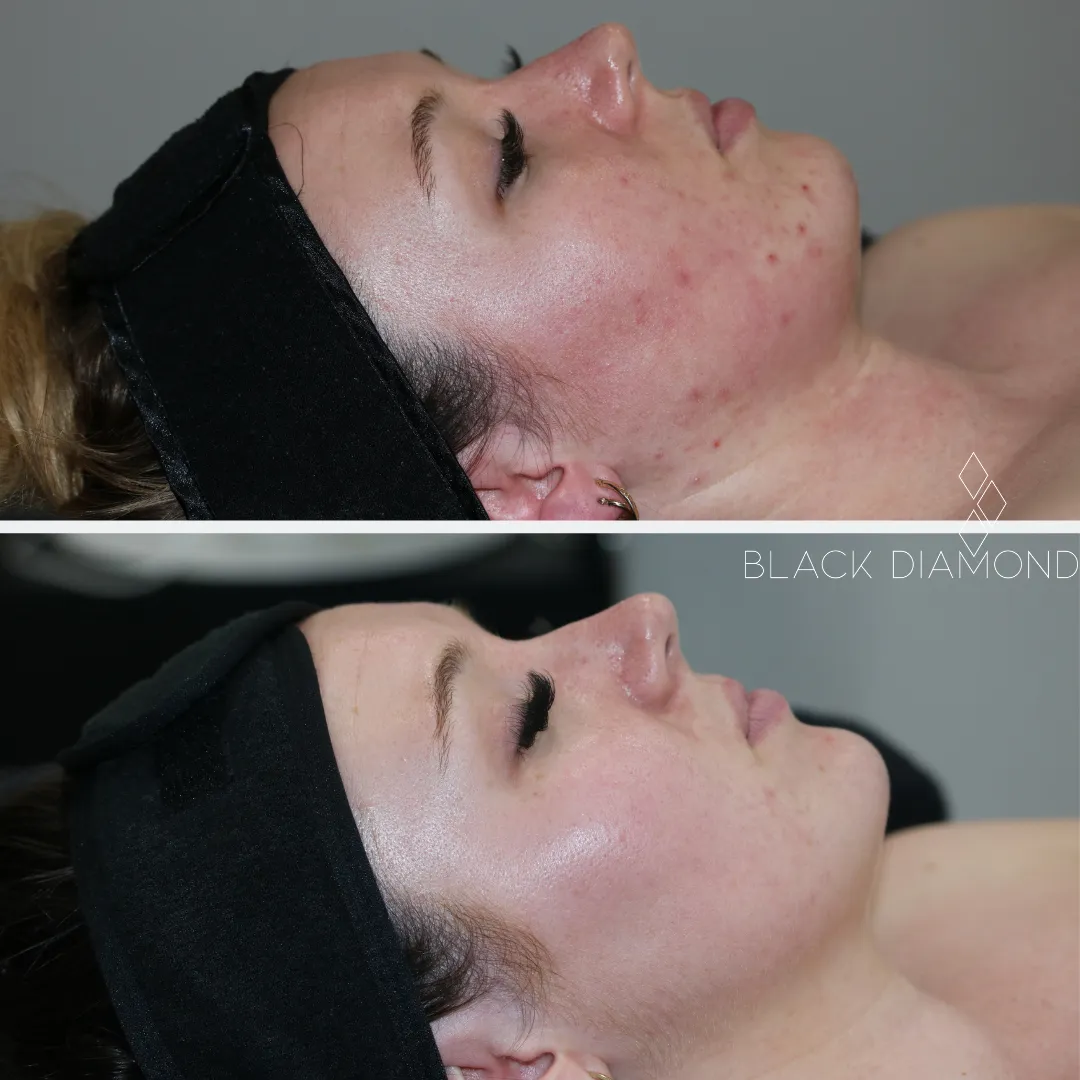
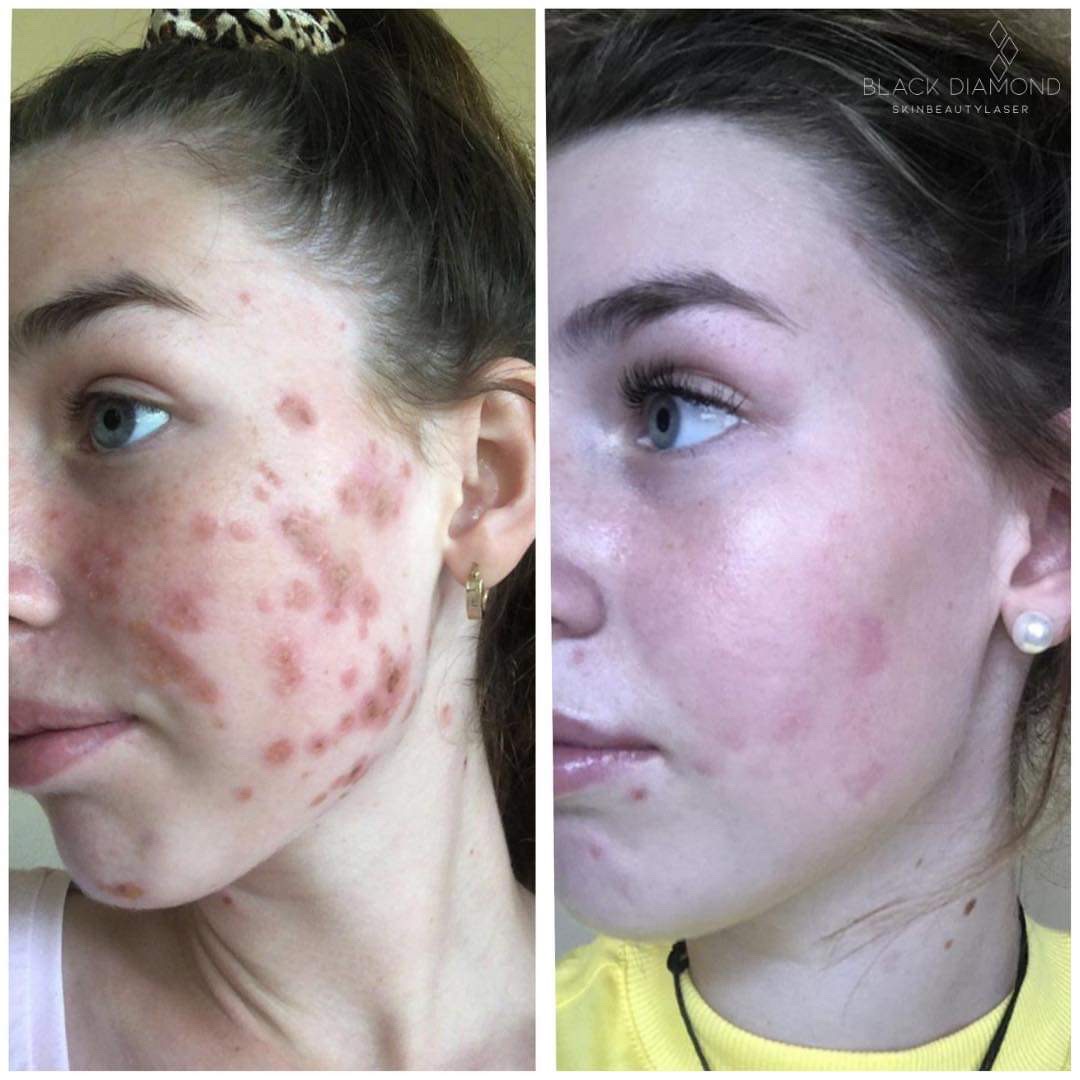
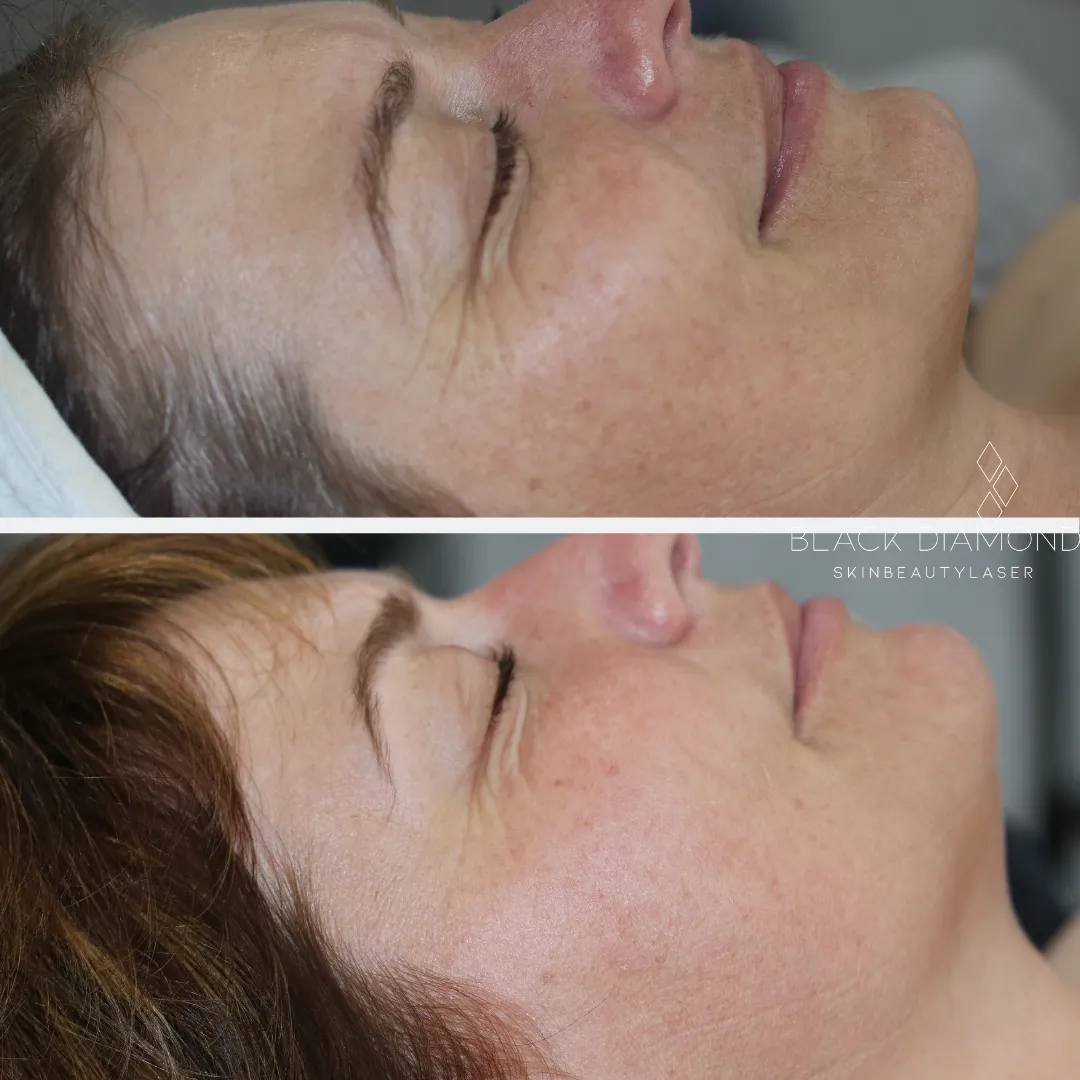
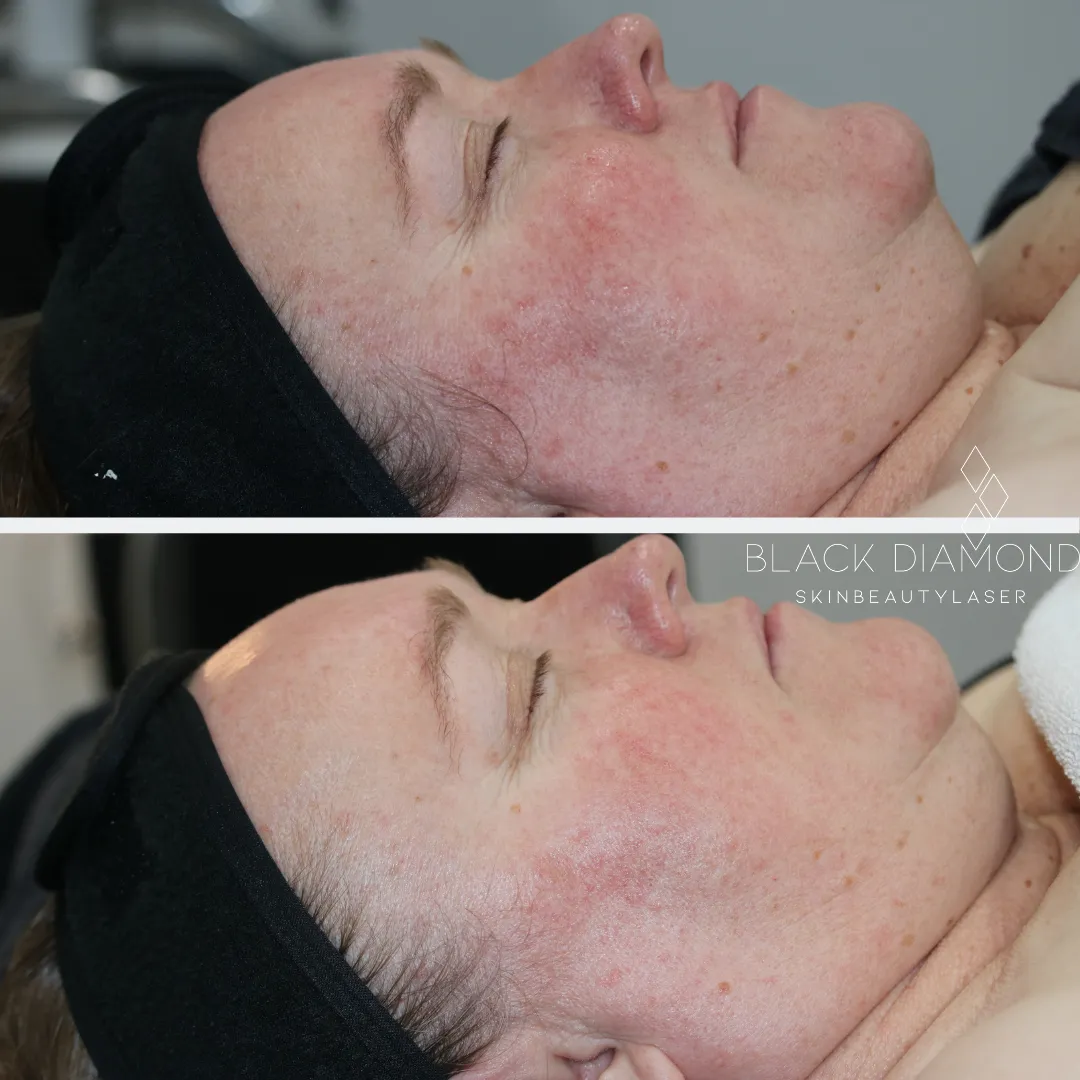
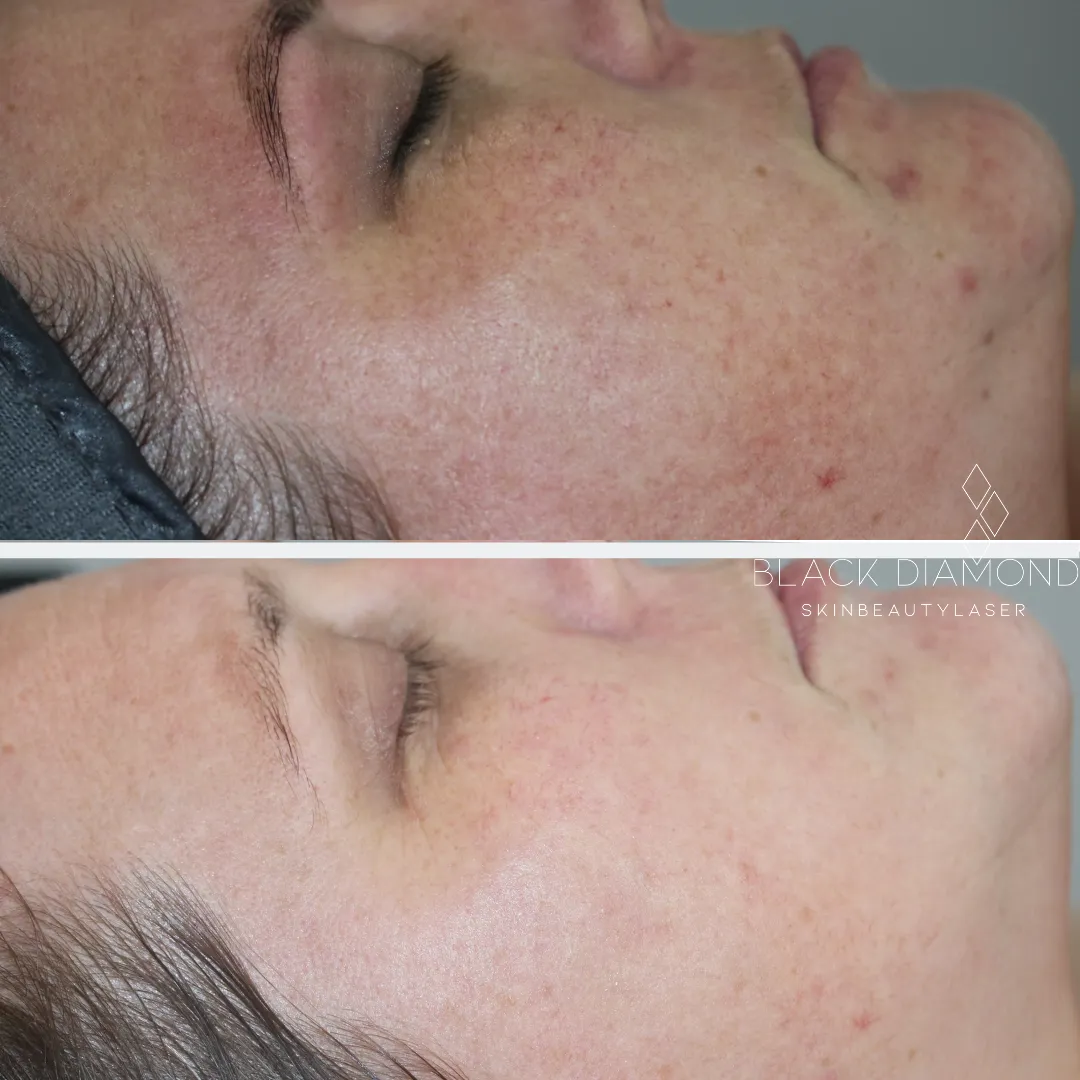
Real People. Real Results.